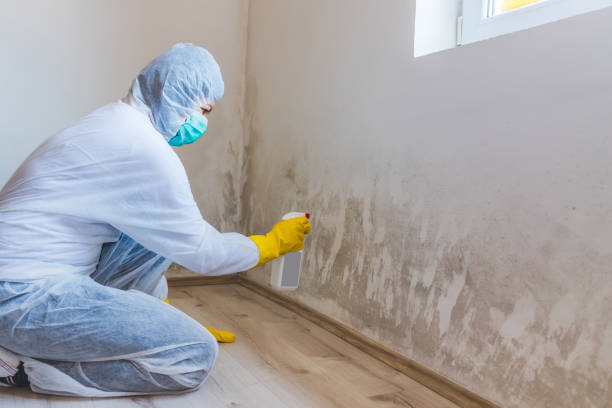
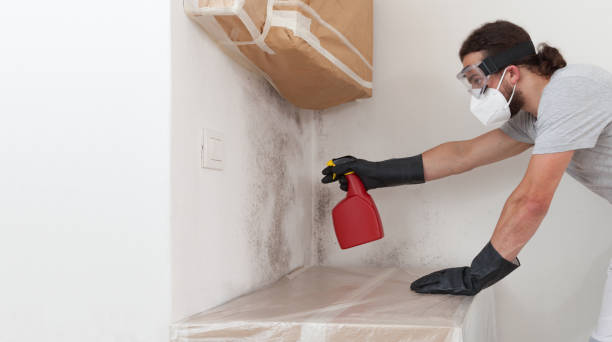
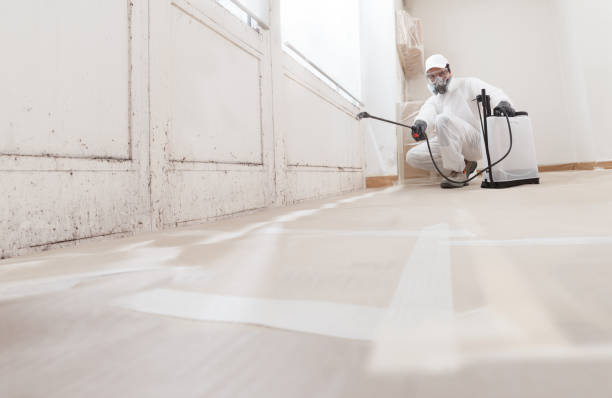
From Category 1 clean-water events to Category 3 sewage-adjacent mold, each job gets the right protocol.
Category Assessment
📋Water Category Classification & Protocol Selection
IICRC S520 links mold removal protocol to the water category that caused the moisture — Category 1 (clean), Category 2 (grey), or Category 3 (black/sewage). A Category 3 event requires full PPE escalation and enhanced containment that isn't needed for Category 1. Our Youngsville, PA crews classify the source before selecting the removal protocol.
Containment
🔥Negative Air Containment Setup
Physical containment is established before any material removal — 6-mil poly barriers, zipper entries, HEPA negative air machines creating inward airflow, and sealed HVAC registers. Spore migration during removal is prevented, not managed after the fact.
Extraction
🔨Contaminated Material Removal
Mold-contaminated drywall, insulation, subfloor sections, and framing members are physically removed, double-bagged in heavy-duty poly, and disposed of per Youngsville, PA regulations. HEPA vacuuming of remaining structural surfaces removes loose spore material before treatment.
Treatment
💧EPA Biocide Application
After physical extraction, remaining structural surfaces are treated with EPA-registered antimicrobial agents rated for the contamination category. For Category 3 events, enhanced disinfectants are used. Encapsulant is applied to salvageable structural wood where warranted.
Drying
💨Structural Drying Where Needed
When residual moisture remains in structural materials after removal, we deploy desiccant or refrigerant dehumidifiers and air movers — logging daily psychrometric readings against IICRC drying targets until materials reach equilibrium moisture content.
Clearance
📄Independent Post-Removal Air Sampling
Third-party IH clearance sampling after every Youngsville, PA removal job. Accredited lab results, written clearance report — objective confirmation the removal achieved its goal.